Steel frame houses are growing in popularity across Canada because they’re strong, straight, and built for long-term performance. But many homeowners and builders still have important questions about renovation, lifespan, downsides, resale value, and customization. This guide answers the most common questions in a practical way, with helpful tips for Vancouver and British Columbia projects.
Call 604-800-5040 Email info@avangardsteel.com
Related pages: Steel Structure Fabrication • Custom Prefab Houses • Architectural Steel Design
What Is a Steel Frame House?
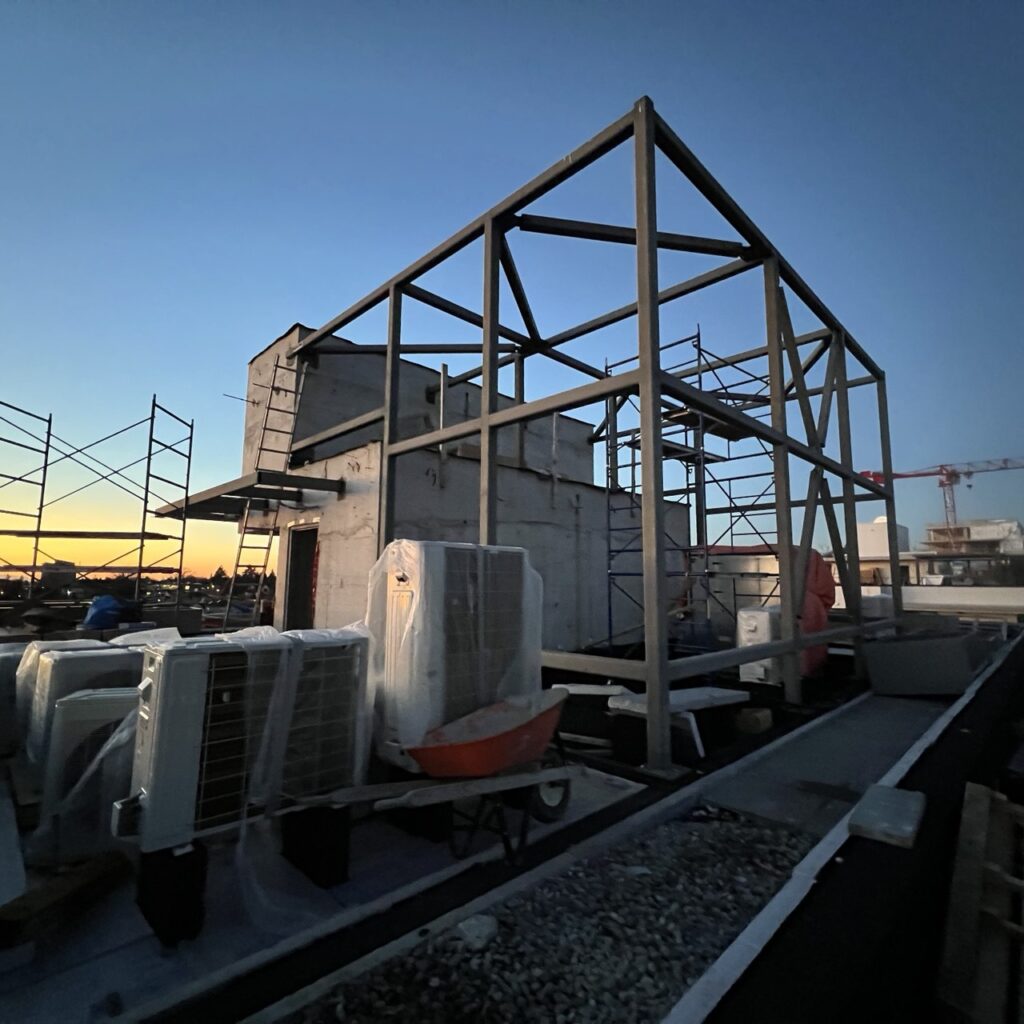
A steel frame house uses steel members (studs, beams, columns, and engineered components) as the main structural skeleton. Instead of relying on wood framing, the building loads are carried through a steel structure designed to meet local code requirements. In Canada, steel framing is commonly used in commercial construction and is increasingly used in residential builds, custom homes, additions, and modular or prefab housing.
Steel frame homes can be built in different ways:
- Light-gauge steel framing (steel studs and joists, similar layout to wood framing)
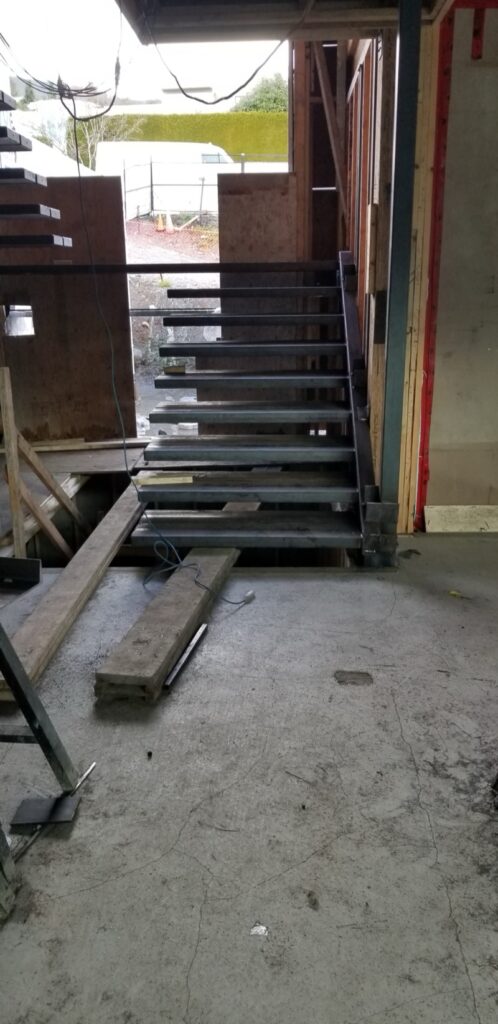
- Structural steel framing (beams and columns for larger spans, modern designs, or multi-level structures)
- Hybrid systems (steel structure + other materials for specific design or performance needs)
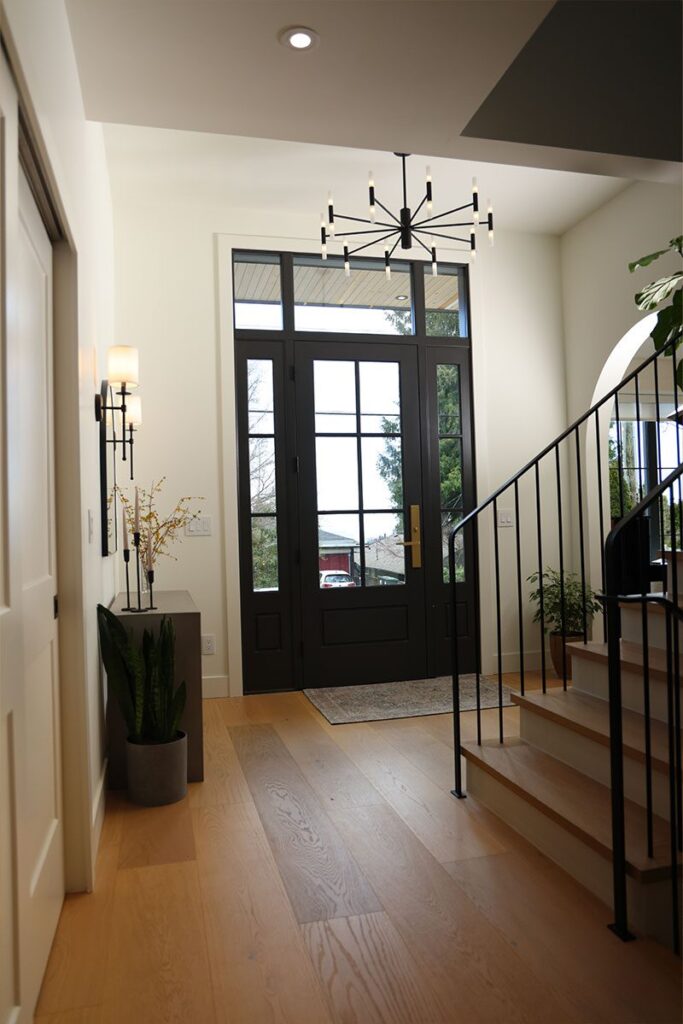
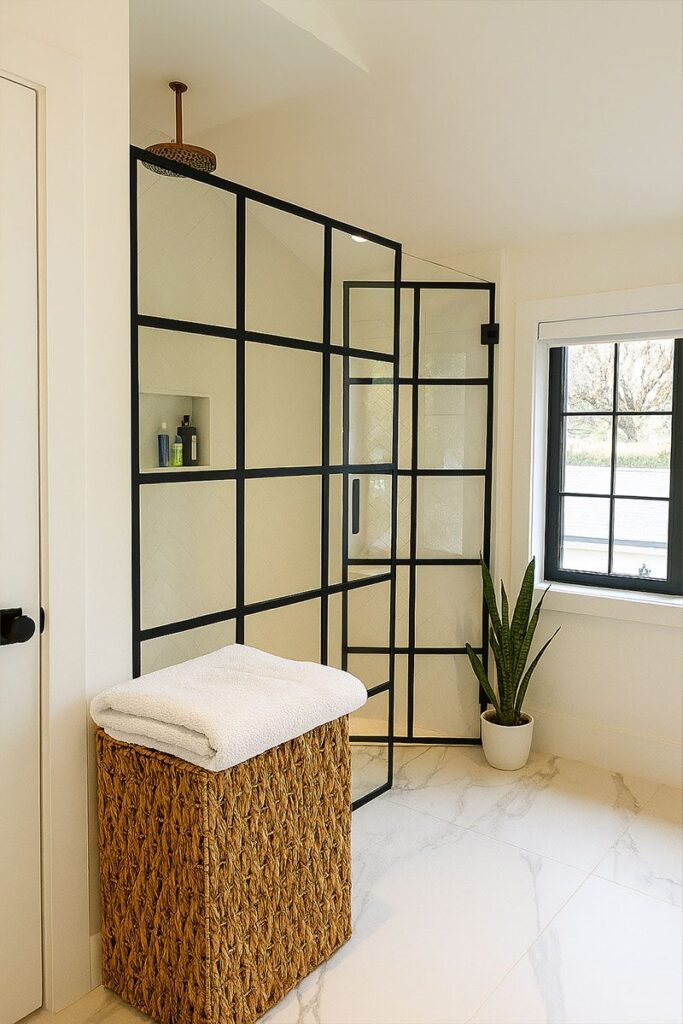
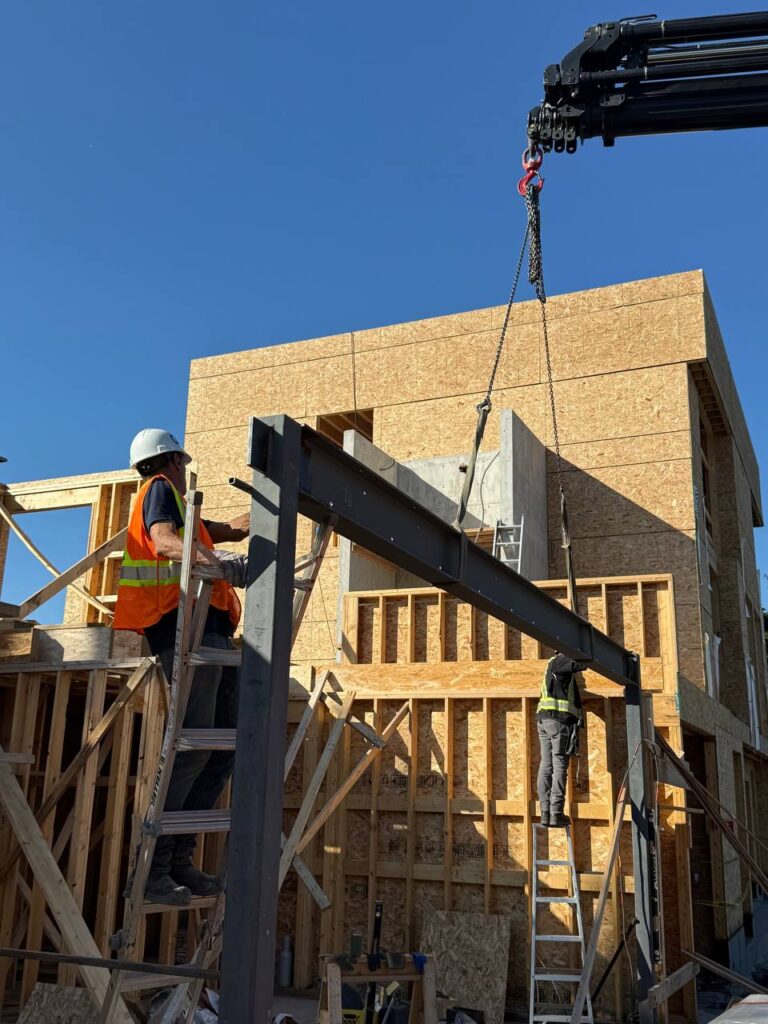
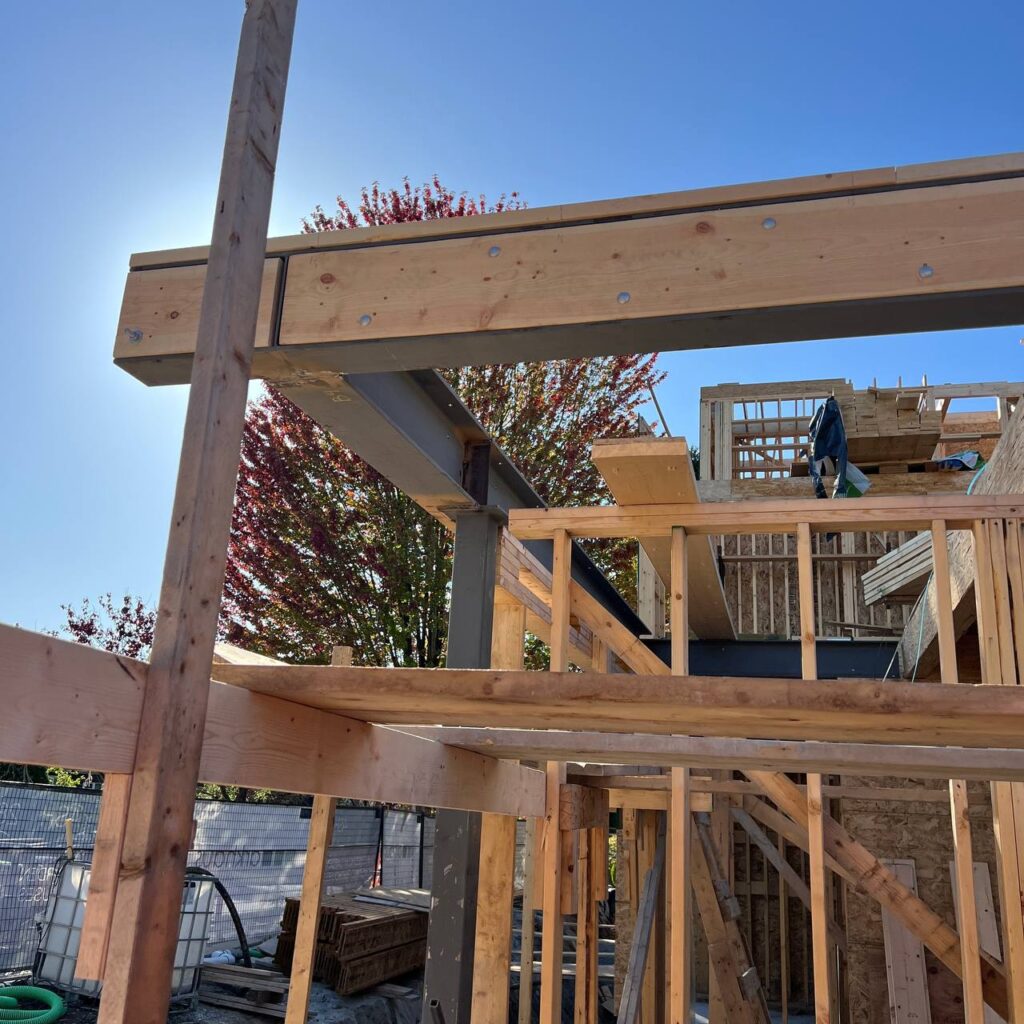
Can You Renovate a Steel Frame House?
Yes you can renovate a steel frame house, and in many cases renovation is very manageable. The key difference is that steel framing must be treated like a structural system: you should identify load paths, locate structural members, and confirm whether a change affects structural capacity.
Common Renovations That Are Usually Straightforward
- Replacing finishes (drywall, flooring, cabinets, trim)
- Kitchen and bathroom remodels
- Adding lighting, electrical upgrades, smart home systems
- Upgrading insulation and interior wall assemblies
- Window and door upgrades (with proper framing and flashing)
Renovations That Require More Planning
Projects like removing walls, changing room layouts, or adding large openings can be done — but they often require an engineer or qualified professional to confirm the change doesn’t compromise the structure.
- Removing or relocating load-bearing walls
- Cutting new openings for doors, large windows, or patio sliders
- Adding a second floor, mezzanine, or roof structure changes
- Extensions and additions that tie into the original steel frame
If your renovation involves structural changes, consider using a fabrication partner who understands steel framing details and can coordinate properly with engineering requirements. For structural projects, explore steel structure fabrication services in Vancouver.
What Is the Lifespan of a Steel Frame House?
A properly designed and protected steel frame house can last for many decades — often comparable to or longer than traditional framing systems. Steel is not vulnerable to rot, termites, or warping the way wood can be. The real determinants of lifespan are:
- Corrosion protection (galvanized steel, coatings, correct detailing)
- Moisture management (flashing, drainage planes, ventilation)
- Quality of installation (fasteners, connections, and load transfer)
- Building envelope performance (insulation, vapor control, air sealing)
In Vancouver and coastal BC, moisture and salt exposure can be tougher on materials, so correct detailing matters. When steel is protected from ongoing moisture exposure and built with proper assemblies, steel structures can perform reliably for the long term.
What Is the Downside of a Steel Frame House?
Steel frame houses have major advantages, but there are downsides to understand before you build or buy. Most issues are not “deal breakers” — they’re design and construction details that must be handled correctly.
1) Thermal Bridging
Steel conducts heat more than wood, which means heat can transfer through the steel frame if insulation is not designed properly. The solution is using continuous exterior insulation, proper wall assemblies, and correct detailing.
2) Moisture and Corrosion Risk if Detailing Is Poor
Steel itself doesn’t rot, but it can corrode if it stays wet for extended periods. Good moisture management (flashing, drainage, ventilation) and corrosion protection (galvanization/coatings) are essential, especially in rainy climates.
3) Specialized Tools and Trades
Steel framing can require crews familiar with steel fastening, connections, and structural coordination. Not every residential contractor is experienced with steel frame details.
4) Planning Matters More
Steel frame projects benefit from solid upfront planning because changes during construction can be more complex than in wood framing. With the right plan, steel framing is efficient and predictable.
Is It Hard to Sell a Steel Framed House?
In most cases, it’s not hard to sell a steel framed house — and for many buyers it can be a positive feature. The challenge is that steel framing is less common in residential real estate, so some buyers may have questions. The best way to protect resale value is documentation and clarity.
What Helps Resale Value
- Clear documentation (engineering, permits, drawings, and material specs)
- High-quality building envelope (comfort, insulation, energy performance)
- Proper moisture protection (especially in coastal climates)
- Modern design features (open layouts, long spans, big glass, clean lines)
If a steel framed home is built and documented properly, it can be very attractive to buyers who care about structural strength and long-term durability. A well-finished steel frame home can feel premium, modern, and solid.
Can You Customize a Steel Frame House?
Yes — steel framing is highly customizable, and it’s one of the reasons architects and builders use steel in modern designs. Steel can support longer spans and cleaner layouts, which can open up more options for planning and style.
Popular Customization Options
- Open-concept layouts with fewer interior load-bearing walls
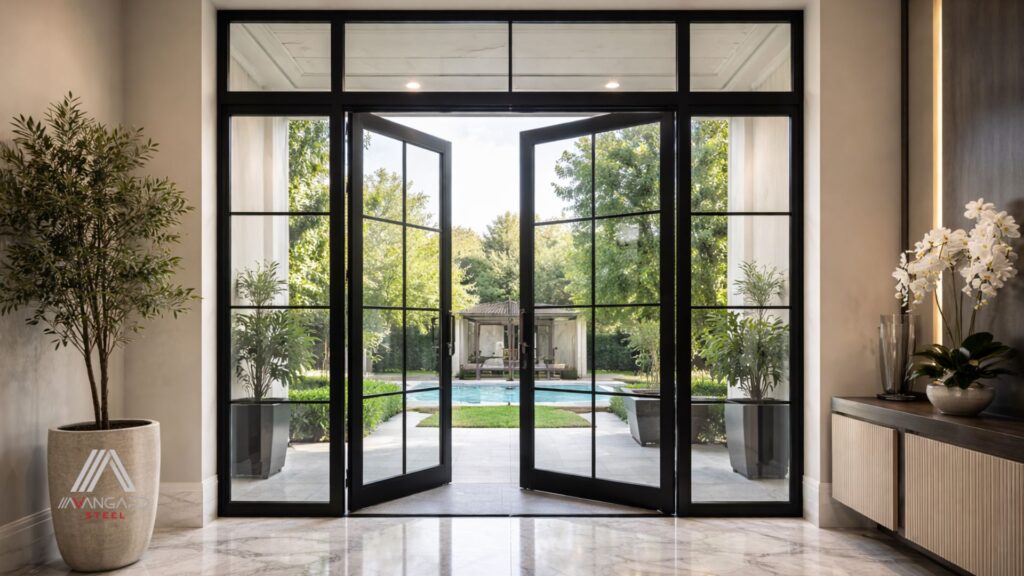
- Large window openings and steel-and-glass features
- Modern exterior details like canopies and trellises
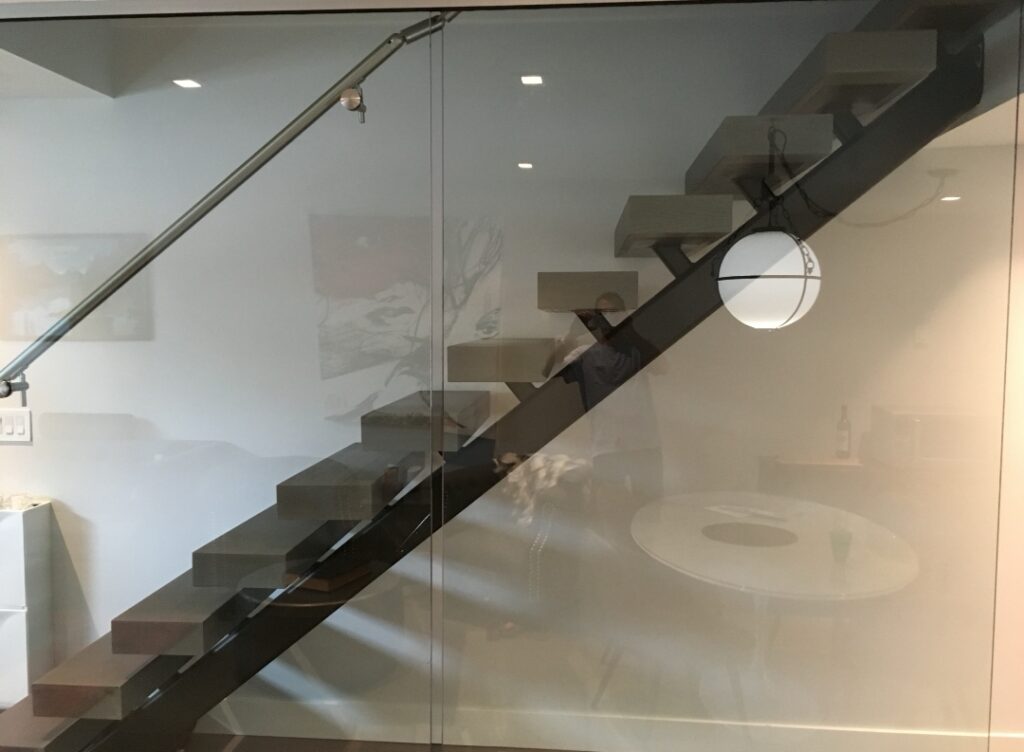
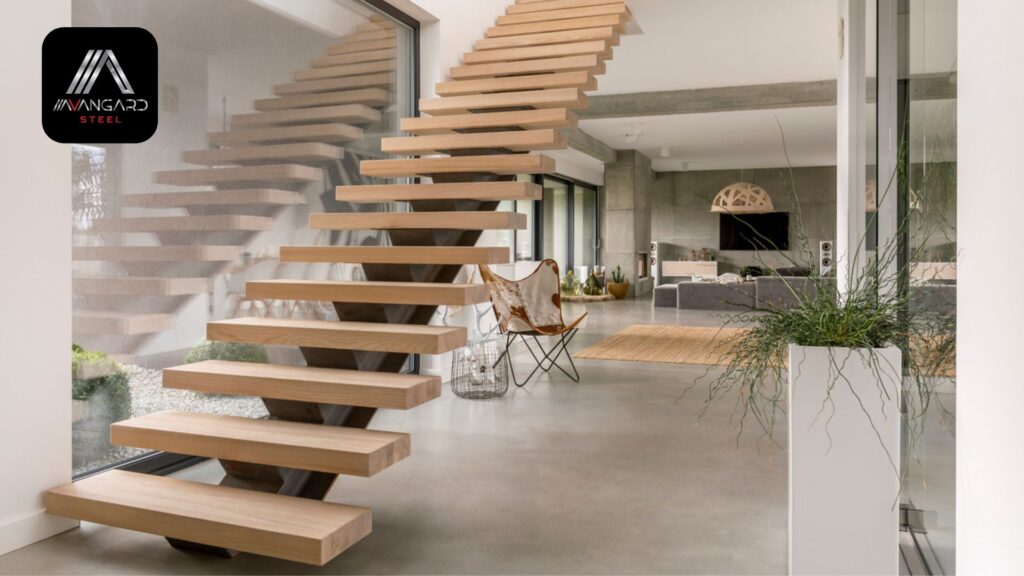
- Custom stairs and architectural interior steel design
- Prefabricated or modular approaches for faster timelines
If you’re exploring modern customization options, these pages can help: custom steel glass doors, canopies and trellises, and custom steel stairs.
When Steel Frame Homes Make the Most Sense
Steel framing can be a great choice when you want predictable structure, modern layouts, and long-term durability. It’s especially useful for:
- Modern custom homes with open spans and clean lines
- Projects requiring strength and structural precision
- Prefab or modular housing concepts
- Multi-use residential and light-commercial builds
- Homes with complex architecture or unique design goals
Learn more about our approach to custom prefab houses and steel structure fabrication.
Planning a Steel Frame House in Vancouver or BC?
Whether you’re renovating, planning a custom build, or exploring a prefab steel frame concept, Avangard Steel can support your project with fabrication expertise and practical guidance on design requirements.
Call 604-800-5040 Email info@avangardsteel.com
FAQ
Can you renovate a steel frame house?
Yes, you can renovate a steel frame house. Interior renovations such as kitchens, bathrooms, flooring, and finishing upgrades are typically straightforward. Structural changes like removing load-bearing walls or creating large openings should be reviewed to ensure the steel structure remains properly supported.
What is the lifespan of a steel frame house?
A properly designed and protected steel frame house can last for many decades. Steel is resistant to rot, termites, and warping. Lifespan mainly depends on corrosion protection, moisture control, and overall construction quality.
What is the downside of a steel frame house?
The main downsides include thermal bridging if insulation is not designed correctly, the need for proper moisture detailing to prevent corrosion, and requiring contractors familiar with steel framing systems.
Is it hard to sell a steel framed house?
In most markets, it is not difficult to sell a steel framed house. Proper documentation, quality finishes, and strong energy performance help maintain resale value. Many buyers view steel framing as a durable and premium structural option.
Can you customize a steel frame house?
Yes, steel framing allows high customization. It supports open-concept layouts, large windows, modern architectural designs, and structural flexibility that can be harder to achieve with traditional framing systems.