Table of Contents
Introduction
For decades, Canada’s economy has been closely tied to the United States. The majority of Canadian exports, including steel and manufactured goods, have traditionally flowed south of the border. However, recent developments indicate that Canada is actively working to diversify its global trade relationships and reduce overreliance on a single market.
This strategic shift toward broader international partnerships has important implications for many industries, especially steel manufacturing, fabrication, and construction.
Trade Focus Comparison and Impact on the Canadian Steel Industry
| Factor | U.S.-Focused Trade Model | Diversified Global Trade Model |
|---|---|---|
| Market Dependence | High reliance on a single trading partner | Reduced risk through multiple global partners |
| Steel Demand Stability | Vulnerable to policy and tariff changes | More stable demand across regions |
| Pricing Pressure | Strong influence from U.S. market pricing | Balanced pricing driven by global demand |
| Opportunities for Fabricators | Limited to North American supply chains | Expanded opportunities in international and domestic projects |
| Investment in Canadian Steel | Slower growth tied to external decisions | Increased incentive for domestic production and fabrication |
| Supply Chain Resilience | Higher risk during trade disputes | More resilient and flexible supply networks |
| Long-Term Industry Growth | Moderate and reactive | Strategic and proactive growth potential |
Why Canada Is Rethinking Its Trade Strategy
Relying heavily on one trading partner creates economic vulnerability. Changes in policy, tariffs, or political direction can quickly impact supply chains and pricing. By expanding relationships with other global markets such as Asia and the Middle East, Canada aims to strengthen economic resilience and reduce exposure to external shocks.
Trade diversification also allows Canada to access new investment, technology, and demand beyond traditional North American markets.
Emerging Trade Relationships Beyond North America
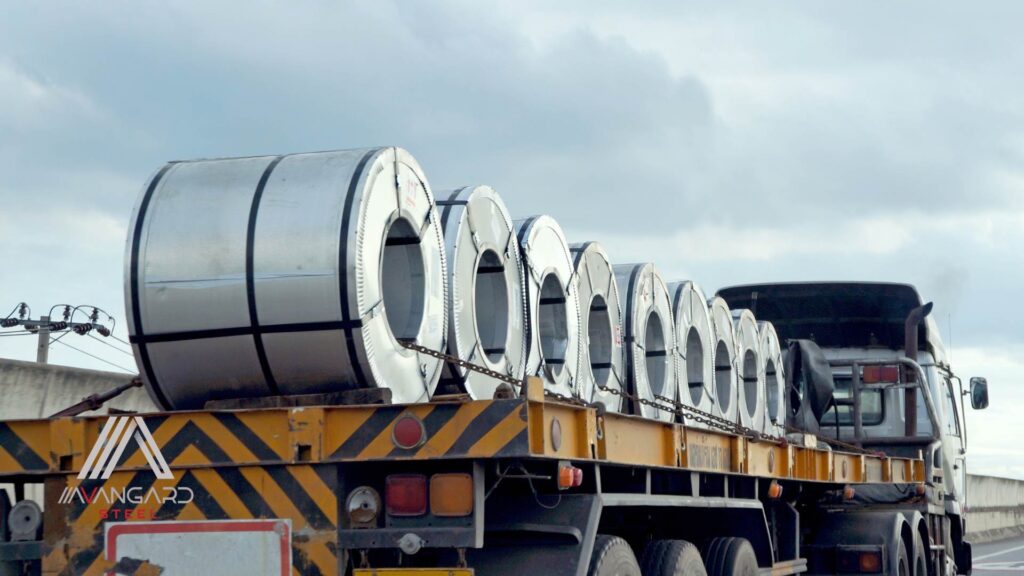
Canada is placing greater emphasis on building economic ties with fast-growing regions outside the United States. Countries in Asia and the Middle East represent large infrastructure markets with long-term demand for steel, energy, and construction services.
These regions are investing heavily in urban development, transportation, and industrial expansion, all of which rely heavily on steel. Strengthening trade relationships with these markets could open new export opportunities for Canadian steel products and expertise.
How This Shift Impacts the Canadian Steel Industry
A more diversified trade strategy can reshape how steel is produced, priced, and distributed in Canada. Instead of focusing primarily on cross-border trade, steel producers and fabricators may see increased demand from international projects or domestic developments supported by foreign investment.
This environment can encourage growth in Canadian steel manufacturing, fabrication capacity, and specialized expertise, particularly in structural and custom steel.
Potential Benefits for Steel Fabrication and Construction
- More stable demand through diversified export markets
- Reduced exposure to sudden trade policy changes
- Increased investment in Canadian infrastructure
- Greater emphasis on domestic steel fabrication
- Opportunities for high-value, custom steel projects
For construction and fabrication companies, this could translate into more consistent project pipelines and greater demand for locally produced steel components.
Challenges to Watch in a Diversified Trade Landscape
While diversification offers opportunity, it also introduces new challenges. Competing in global markets requires maintaining high quality, efficiency, and compliance with international standards.
Canadian steel companies will need to continue investing in technology, skilled labour, and certification to remain competitive as global relationships expand.
What This Means for Steel Construction in Canada
Increased global engagement can influence domestic construction trends. As investment flows into Canadian real estate, commercial developments, and infrastructure, demand for structural steel and custom fabrication is likely to grow.
This may further accelerate the use of steel in commercial buildings, industrial facilities, and large residential projects across major cities.
Predictions for the Next Decade
Over the next ten years, Canada’s steel industry is likely to become more globally connected while strengthening its domestic role. Fabricators and builders that focus on quality, efficiency, and adaptability will be best positioned to benefit.
The industry may see:
- Greater emphasis on domestic fabrication capacity
- Increased demand for custom and structural steel
- More international collaboration and investment
- Higher standards for quality and certification
What This Means for Builders and Developers
For builders, developers, and project owners, these changes highlight the importance of working with reliable, experienced steel partners. Companies that understand local codes, global standards, and evolving market conditions will play a key role in future construction success.
Conclusion
Canada’s move to diversify its trade relationships marks a significant shift with long-term implications. For the steel industry, this transition presents both opportunity and responsibility.
Strong domestic fabrication, skilled workmanship, and strategic adaptation will be essential as Canada navigates a more globally balanced economic future.